Cat Face 2 Embroidery Design Review for Merch
As an embroidery designer who has spent years digitizing files and troubleshooting production runs for small businesses, I approach every new machine embroidery design with a critical eye. It is not enough for a file to look cute on a screen; it must perform under the needle, withstand washing, and elevate the brand it represents. Recently, I reviewed the Cat Face 2 Embroidery Design to determine its viability for commercial use. This piece falls squarely into the Cats category, but its application extends far beyond simple hobbyist projects. For boutique owners, pet brands, and creative studios, this embroidery file offers a unique opportunity to blend playful charm with professional branding.
First Impressions and Visual Personality
The initial visual impact of the Cat Face 2 Embroidery Design is one of approachable elegance. The description promises delicate details, expressive eyes, and whiskers, which suggests a design that leans toward a friendly yet refined aesthetic. In the world of small business merch, tone is everything. A design that is too cartoonish may alienate premium buyers, while one that is too rigid can feel cold. This design strikes a balance, offering a playful expression that feels handmade and authentic rather than mass-produced.
For brands in the pet industry, bakeries, or florist shops, this visual personality is crucial. It conveys warmth and care, qualities that customers subconsciously associate with high-quality service. When evaluating the thread colors and line work, the design appears to prioritize clarity. The whiskers and eyes are focal points that draw attention without overwhelming the surrounding fabric. This makes it an excellent candidate for businesses looking to add a touch of whimsy to their brand identity without sacrificing professionalism.
Real-World Applications for Small Businesses
The true test of any digital embroidery file is its versatility across different products. I evaluated how the Cat Face 2 Embroidery Design would perform on various common merchandise items used by small enterprises.
- Embroidered Patches: This is perhaps the strongest use case. A well-digitized cat face makes for a compelling embroidered patch that can be sewn onto denim jackets, canvas bags, or uniform shirts. Patches allow for inventory flexibility, as they can be applied post-production.
- Staff Uniforms and Aprons: For cafés and boutiques, apron embroidery serves as a subtle branding tool. Placing this design on the chest pocket or lower corner of an apron adds a personal touch that customers notice. It humanizes the staff and creates a memorable visual anchor.
- Cap Embroidery: Caps are high-value items for retail. The design’s compact nature suits the curved front panel of a baseball cap. However, careful attention must be paid to the hoop size and curvature to ensure the facial features do not distort.
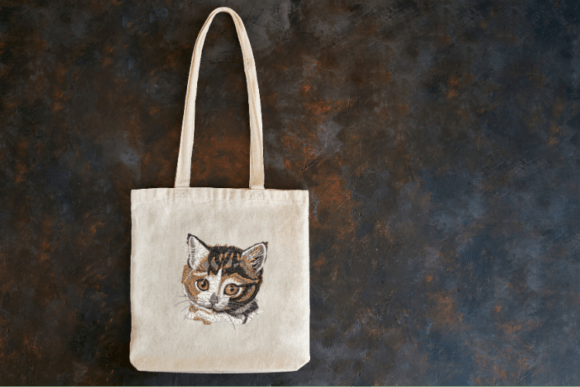
- Tote Bag Design: Canvas totes are staples for eco-conscious brands. The Cat Face 2 Embroidery Design works well as a central motif or a repeated pattern element. The contrast of thread against natural cotton creates a rustic, artisanal feel that boosts perceived value.
Beyond apparel, consider using this design for custom apparel lines sold on Etsy or in local markets. It can serve as a standout feature on baby clothes, pet bandanas, or even as a decorative accent on product packaging tags. The key is consistency; using the same design across multiple touchpoints reinforces brand identity and aids in customer recognition.
Technical Considerations and Production Challenges
While the aesthetic appeal is strong, practical execution requires vigilance. As a designer, I always advise testing a new file before committing to a large production run. Here are specific technical factors to consider when using the Cat Face 2 Embroidery Design.
First, evaluate the stitch density. Detailed features like eyes and whiskers can become bulky if the density is too high, leading to puckering on lightweight fabrics. Conversely, low density may leave gaps on textured materials. Always test on the actual fabric texture you intend to use. If you are embroidering on dark uniforms, ensure there is sufficient contrast between the thread and the base material. A white cat on a black shirt reads clearly, but subtle shades may get lost.
Second, consider the scale. On small items like hat fronts or tiny labels, fine details can merge. I recommend creating a printable mockup at actual size to check legibility. If the whiskers are too thin, they may break during wear or washing. Adjusting the scale or simplifying the smallest elements might be necessary for miniature applications.
Third, stabilization is non-negotiable. For stretchy fabrics like jersey tees or caps, a cut-away stabilizer is often required to maintain shape. For woven totes or aprons, a tear-away may suffice. Always confirm the recommended stabilizer type with your machine manufacturer or the file provider. Additionally, verify the hoop size compatibility. While the design may fit in a 4x4 hoop, ensuring it is centered correctly is vital for professional results.
Enhancing Brand Value and Customer Trust
Incorporating high-quality embroidery into your product line does more than decorate; it builds trust. Customers perceive embroidered items as durable and premium compared to printed alternatives. The Cat Face 2 Embroidery Design, when executed well, signals that a business cares about quality. This perception directly influences buyer engagement and willingness to pay a higher price point.
For handmade sellers, this design acts as a signature. It differentiates your handmade product from generic competitors. When customers see consistent, clean embroidery on their purchases, it reinforces the narrative of craftsmanship. This is particularly important for commercial embroidery projects where repeat business relies on satisfaction and durability.
Moreover, using such distinctive design assets helps in social media marketing. Photogenic embroidery stands out in digital feeds, driving organic traffic to your store. A well-lit photo of a tote bag featuring the cat face can generate more engagement than a flat graphic image, as it showcases texture and tangible quality.
Final Designer Notes and Best Practices
Before launching any campaign featuring the Cat Face 2 Embroidery Design, follow these final steps to ensure success:
- Test in Monochrome: Stitch the design in black thread on white fabric first. This reveals any structural issues or spacing problems without the distraction of color.
- Check Licensing: Confirm the commercial licensing terms provided with the digital embroidery file. Ensure you have the right to sell finished products containing this design.
- Review File Formats: Verify that the file format matches your machine. Common formats include PES, DST, and JEF. Using the wrong format can lead to errors.
- Create Client Mockups: If you are doing work for clients, present a realistic mockup showing the design on their specific garment. This manages expectations and reduces revision requests.
- Wash Testing: Wash and dry a sample piece to check for thread bleeding or distortion. This ensures the finished product meets durability standards.
The Cat Face 2 Embroidery Design is a versatile asset for any small business looking to inject personality into their merchandise. By respecting the technical requirements of embroidery and leveraging the design’s charming aesthetic, you can create products that resonate with customers and stand the test of time. Whether for a local bakery’s aprons or a pet brand’s tote bags, this design offers a blend of fun and function that supports robust brand identity growth.