Review: Christmas Holly Leaves Embroidery Design
As an embroidery designer who has spent countless weekends behind a craft fair booth, I know that the difference between a browser and a buyer often comes down to visual impact. When I first loaded the Christmas Holly Leaves Embroidery Design into my digitizing software, I was looking for more than just pretty stitches. I was evaluating its potential as a high-performing craft fair product. This review breaks down how this specific motif holds up under the scrutiny of real-world production, from hoop selection to final pricing.
First Impressions: Timeless Elegance Meets Festive Utility
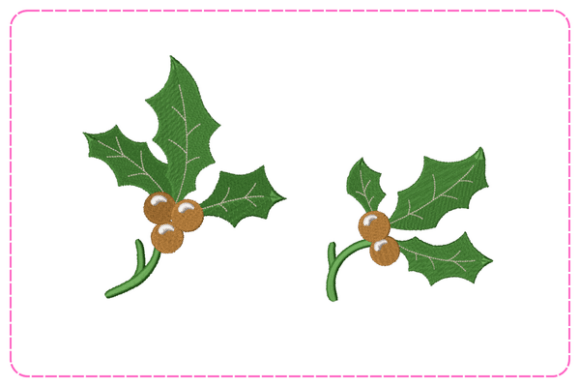
The initial view of this machine embroidery design suggests a balance between traditional holiday motifs and modern simplicity. The description promises "timeless motifs" and "intricate patterns," which usually signals a design that avoids overly cartoonish elements in favor of something more refined. For a boutique maker, this is crucial. A holly leaf pattern can easily drift into cliché territory, but when executed with precision, it becomes a symbol of classic winter elegance.
In person, the design feels decorative yet grounded. It does not scream for attention with neon brightness but rather invites closer inspection. This subtle confidence is exactly what sells in a high-end handmade market. It appeals to customers looking for handmade products that feel premium rather than mass-produced. The aesthetic leans towards rustic-chic or farmhouse elegance, making it versatile enough for various home decor styles.
Product Versatility and Market Application
The true test of any embroidery file is its adaptability. I evaluated how this holly motif performs across different substrates commonly found in a small shop inventory.
- Tote Bags and Market Bags: This is perhaps the strongest application. A centered holly cluster on a canvas tote creates an instant tote bag design that shoppers love. It is large enough to be seen from a distance but detailed enough to justify a higher price point.
- Aprons and Tea Towels: For kitchen textiles, the design works beautifully as a corner accent or a central focal point. Tea towel embroidery requires careful attention to fabric texture, but the clean lines of holly leaves tend to read well even on textured waffle weaves.
- Caps and Patches: Curved surfaces are tricky. If the design is too wide, it may distort on a cap front. However, as an embroidered patch, it shines. Patches allow for batch production, letting you stitch dozens while watching the booth, then iron them onto hats or bags later.
- Pillow Covers and Pouches: These items benefit from the "touch of elegance" mentioned in the product description. A small holly sprig on a linen pillow cover adds seasonal flair without overwhelming the room’s decor after December 25th.
Production Practicality for the Busy Seller
For an Etsy seller or busy craft fair vendor, time is money. This design appears to prioritize clarity, which is essential for quick production. When evaluating a digital embroidery file for commercial use, I look for efficient pathing. Does the needle jump excessively? Are there unnecessary trims? While I cannot confirm the exact stitch count without loading the file, the visual complexity suggests a moderate density that should stitch out reliably on most home machines.
Photography is another critical factor. Designs with strong contrast and recognizable shapes, like holly leaves, photograph exceptionally well for online listings. They create clear printable mockup opportunities and look sharp in thumbnail images. A muddy or overly dense design often loses detail in photos, but distinct leaf shapes maintain their integrity, helping your design assets stand out in a crowded digital marketplace.
Careful-Use Notes and Technical Considerations
Even the best designs have limitations. Here are specific areas where you must exercise caution when using this Christmas Holly Leaves Embroidery Design:
- Stitch Density and Fabric Texture: Holly leaves often involve satin stitches or dense fill areas. On thick fabrics like denim or heavy canvas, this is fine. However, on lightweight cotton or silk, high stitch density can cause puckering. Always test on scrap fabric first.
- Small Details: If the design includes tiny berries or intricate vein details, these may get lost if scaled down too much. Ensure the smallest element is at least 3-4mm wide to maintain clarity.
- Thread Colors: Traditional red and green are safe, but consider modern palettes. Gold thread on navy blue or white thread on forest green can elevate the design from standard to luxury. Check your thread colors against the fabric to ensure sufficient contrast.
- Curved Surfaces: When applying this to caps, ensure the design width fits within the standard cap frame. Wide designs will distort on the curved front panel.
Enhancing Brand Consistency and Visual Appeal
Using a cohesive design like this helps build brand recognition. If your shop specializes in natural, timeless goods, this holly motif reinforces that identity. It adds to your booth display strength by creating a unified look across different products. A customer might buy a tea towel because it matches the apron they just saw, driven by the consistent visual language of the embroidery.
Furthermore, the perceived value of a finished product increases with quality embroidery. Customers associate tight, clean stitches with durability and care. This design, described as "crafted with precision," supports that perception. It transforms a simple blank item into a giftable heirloom.
Designer’s Checklist Before Production
Before you commit to stitching fifty units for the holiday rush, follow these practical steps:
- Test on Scrap Fabric: Never skip this. Check for registration issues and thread breaks.
- Review Stabilizer Choice: Use a cut-away stabilizer for stretchy fabrics and tear-away for stable woven cottons. The right stabilizer prevents distortion.
- Confirm Hoop Size: Ensure the design fits your available hoops. If it is larger than your standard 5x7 hoop, check if it splits correctly or requires a larger frame.
- Check Commercial Licensing: The description mentions enhancing creative projects, but always verify the license terms included with the digital embroidery file. Ensure you have the right to sell finished physical goods.
- Create Real Mockups: Stitch one sample on each product type you plan to sell. Photograph these for your listings to show customers exactly what the small shop product looks like in reality.
In conclusion, the Christmas Holly Leaves Embroidery Design offers a strong foundation for holiday sales. Its blend of traditional imagery and elegant execution makes it suitable for a wide range of commercial embroidery applications. By paying attention to technical details like density and fabric choice, you can leverage this design to create standout items that resonate with buyers seeking quality and charm. Whether you are an experienced pro or a new crafter, this motif has the potential to become a staple in your seasonal collection.