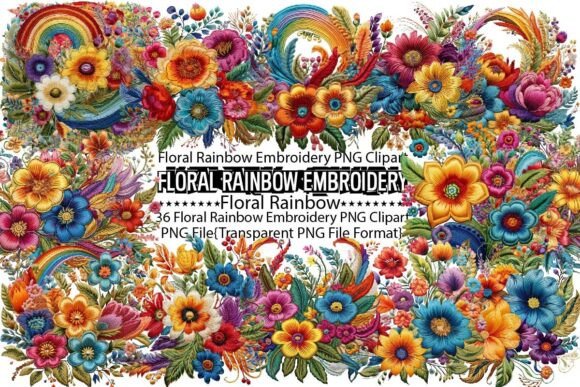
Reviewing Floral Rainbow Embroidery Sublimation for Merch
As an embroidery designer who has spent years digitizing logos and creating custom artwork for small businesses, I approach every new design asset with a critical eye. It is not enough for a graphic to look pretty on a screen; it must translate effectively into thread, withstand the rigors of daily wear, and elevate the brand identity of the client using it. Recently, I evaluated the Floral Rainbow Embroidery Sublimation bundle to determine its viability for commercial embroidery projects, branded patches, and small business merchandise.
This review is written from the perspective of a professional preparing to use these assets for real-world applications, such as staff uniforms, boutique packaging, and customer gifts. If you are an Etsy seller, apparel decorator, or craft business owner, understanding how digital graphics convert to physical products is essential for maintaining quality and professionalism.
First Impressions and Visual Personality
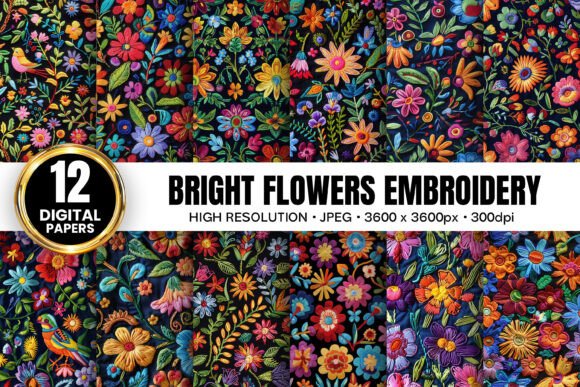
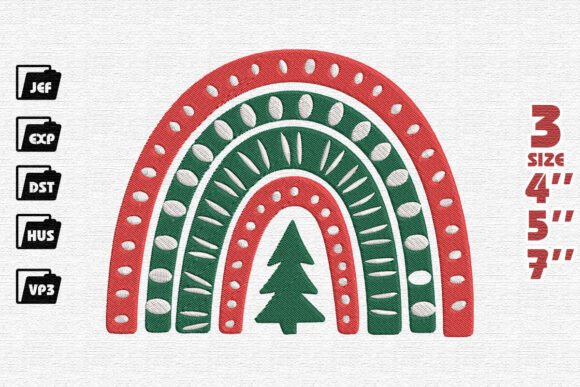
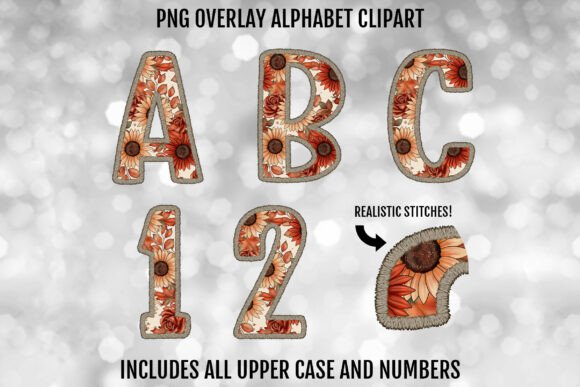
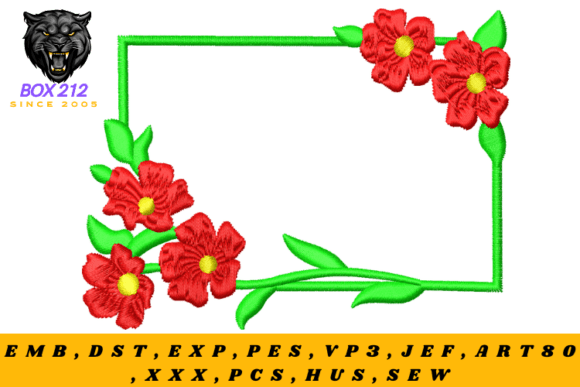
The title Floral Rainbow Embroidery Sublimation suggests a blend of organic softness and vibrant energy. Upon reviewing the description, which notes that the bundle includes 36 files at 300 dpi, my immediate impression is that this collection leans toward a playful, decorative, and handmade aesthetic. The combination of floral motifs with rainbow elements typically signals a brand personality that is friendly, inclusive, and creative.
For a bakery, florist, or pet brand, this visual language works exceptionally well. It feels approachable rather than corporate. However, for a high-end luxury boutique or a strict corporate uniform, the whimsical nature of the design might require careful placement. As a Print Templates and Graphics resource, these files offer a strong starting point for mockups, but the true test lies in how they perform when stitched out.
Real-World Business Applications
When considering small business merch, versatility is key. Here is how I envision integrating Floral Rainbow Embroidery Sublimation into various product lines:
- Embroidered Patches: This is perhaps the strongest use case. A patch allows for complex color gradients and detailed outlines without worrying about the stability of the garment fabric. You can create a cohesive set of patches for customers to collect or trade.
- Apron Embroidery: For cafes and bakeries, an apron serves as a walking billboard. Placing a smaller version of the floral rainbow motif on the chest or pocket adds a touch of warmth to staff uniforms.
- Tote Bag Design: Canvas tote bags handle embroidery well. Using this design as a central focal point can turn a simple bag into a desirable handmade product that customers are proud to carry.
- Cap Embroidery: While possible, caps present challenges due to their curved surface. I would recommend simplifying the design or using it as a side-panel accent rather than a full front center piece to avoid distortion.
These applications help build brand identity by creating a consistent visual thread across different touchpoints. When a customer sees the same high-quality embroidered patch on a hat and a tote bag, it reinforces recognition and trust.
Technical Considerations for Production
While the artistic merit is clear, the technical execution requires attention. The product description mentions receiving 36 files at 300 dpi, which is excellent for sublimation printing and creating printable mockup assets. However, for machine embroidery, we must consider several factors before hitting the start button.
First, check if these are true machine embroidery design files (such as PES, DST, or EXP) or if they are raster graphics intended for sublimation transfer. If they are graphics, you will need to digitize them or use them for heat-transfer vinyl overlays. If they are pre-digitized, always review the stitch path.
Stitch density is a critical factor. Rainbow designs often involve many color changes and potentially dense satin stitches to achieve vibrancy. On lightweight fabrics, high density can cause puckering. Always use a proper stabilizer—cut-away for stretchy fabrics and tear-away for stable wovens—to ensure the finished product remains flat and professional.
Additionally, consider thread colors. A rainbow palette requires precise color matching. If your thread inventory does not match the digital preview exactly, the final look may differ. Test the design on a scrap piece of the actual fabric you intend to use. This step is non-negotiable for maintaining quality control in commercial embroidery.
Where to Use Caution
Not every item is suitable for this specific design style. I advise caution in the following scenarios:
- Small Patch Sizes: Intricate floral details can get lost if the hoop size is too small. Ensure the design scales down without losing definition.
- Dark Uniforms: Rainbow colors may not pop against black or navy blue without a white underlay or background patch. Contrast is vital for visibility.
- Frequent Washing: Items like work shirts that undergo industrial laundering may suffer from thread fraying if the stitch density is not optimized for durability.
- Textured Fabric: Heavy textures like terry cloth or thick wool can obscure fine lines. Stick to smoother fabrics like twill, canvas, or polished cotton for the best results.
Enhancing Brand Value and Customer Trust
Using high-quality design assets like Floral Rainbow Embroidery Sublimation directly impacts perceived value. A well-executed embroidered logo suggests attention to detail and investment in quality. For Etsy sellers and handmade brands, this differentiation is crucial in a saturated market.
When customers receive a product with clean stitching, vibrant colors, and a thoughtful design, their engagement increases. They are more likely to share photos on social media, providing organic marketing for your business. Consistency in using these graphics across your custom apparel line helps establish a recognizable brand presence.
Practical Designer Notes
Before launching this design into your production workflow, follow these steps:
- Test in Black and White: Convert the design to grayscale to check for contrast issues. If the details disappear in black and white, they may be too subtle in thread.
- Confirm Hoop Size: Ensure the design fits within your machine’s maximum hoop area without requiring re-hooping, which can lead to misalignment.
- Create a Mockup: Use the 300 dpi files to create a realistic printable mockup for client approval before stitching. This saves time and materials.
- Check Licensing: The description mentions a bundle for inspiration. Always confirm the commercial licensing terms. Ensure you have the right to use the digital embroidery file for selling physical goods.
- Inspect Spacing: Look for areas where stitches might overlap excessively or where jump stitches are too long, requiring trim management.
In conclusion, Floral Rainbow Embroidery Sublimation offers a vibrant, versatile option for small businesses looking to add a splash of color and personality to their merchandise. By respecting the technical limitations of embroidery and focusing on strategic placement, you can transform these Print Templates and Graphics into tangible assets that drive brand loyalty and sales. Always prioritize testing and quality control to ensure your embroidery file translates perfectly from screen to stitch.