Reviewing the Merry Christmas Winter Design
As a designer who has spent countless hours staring at digitized patterns and watching needles fly across fabric, I have developed a keen eye for what makes a machine embroidery design truly work in the real world. It is not just about how the preview looks on a screen; it is about how the threads interact with the fabric, how the tension holds up after washing, and whether the final piece feels like a premium product or a rushed afterthought. Recently, I had the chance to evaluate the Merry Christmas Winter Machine Embroidery design, and I want to share my practical insights for fellow crafters, Etsy sellers, and boutique owners.
First Impressions and Visual Mood
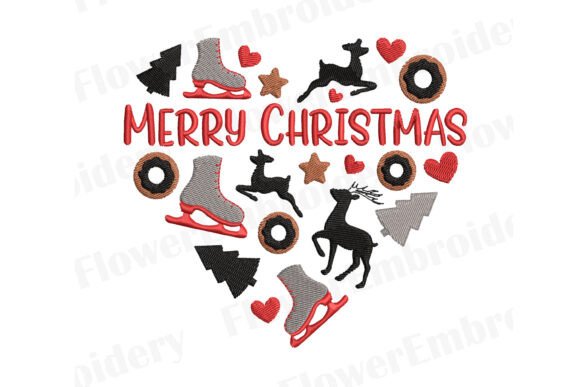
The first thing that strikes you about this design is its inherent warmth. It does not rely on overly complex shading or chaotic details that often plague holiday motifs. Instead, it offers a clean, inviting aesthetic that screams "holiday cheer" without being visually noisy. The layout feels balanced, suggesting that the digitizer understood the importance of negative space. For those of us creating custom apparel, this balance is crucial. A cluttered design can look cheap on a garment, but this one maintains a professional silhouette.
The visual personality of the Merry Christmas Winter Machine Embroidery leans towards classic comfort. It fits naturally into projects where the goal is to evoke nostalgia and coziness. Whether you are designing for a high-end boutique or a local craft fair, this mood translates well. It suggests quality and care, which are the primary drivers of customer trust in the handmade market.
Real-World Application: The Sweatshirt Test
To truly understand the value of an embroidery file, you must imagine it on a specific product. I visualized this design on a heavyweight, cream-colored cotton sweatshirt. This is a staple item for many small shop products during the fourth quarter. The design’s structure suggests it would sit beautifully on the left chest or as a larger centerpiece on the back.
When considering sweatshirt embroidery, stitch density is paramount. If the design is too dense, it creates a stiff, cardboard-like patch that is uncomfortable to wear. If it is too light, the fabric shows through, ruining the crispness of the image. Based on the visual weight of this pattern, it appears to use a smart combination of fill stitch areas for solid color blocks and satin stitch borders for definition. This combination usually results in a soft hand feel, which is critical for clothing items that will be worn directly against the skin or over a thin layer.
Beyond apparel, this design shines on home goods. Imagine it on a linen tote bag design or a sturdy canvas apron. The contrast between the festive motif and the neutral, textured background of natural fibers creates a sophisticated look that appeals to buyers looking for more than just generic holiday decor. It transforms a simple handmade product into a cherished personalized gift.
Fabric Considerations and Technical Challenges
While the design is versatile, it is not without its technical demands. As an experienced reviewer, I must point out where caution is needed. The performance of any digital embroidery file depends heavily on the substrate. For this particular winter-themed motif, I recommend avoiding extremely stretchy or thin fabrics unless you are highly experienced with stabilization.
If you plan to use this on baby embroidery items, such as onesies or soft blankets, you must prioritize a soft cut-away stabilizer. The goal is to support the stitches without compromising the softness of the garment. Additionally, pay close attention to thread colors. Holiday designs often tempt us to use bright reds and greens, but on dark fabrics, these can lack vibrancy if the underlying fabric color bleeds through. Always test your thread choices on scrap fabric first. A mockup in black and white can also reveal if the contrast is sufficient for the design elements to stand out clearly.
Curved surfaces present another challenge. If you are applying this to a cap or a rounded pillow cover, ensure the hoop size allows for proper positioning without distorting the design. Small details can become lost or puckered if the fabric is pulled too tightly during hooping. For embroidered patch creation, however, this design would likely excel, as the stable backing of the patch material supports intricate details better than loose fabric.
Commercial Viability and Brand Consistency
For Etsy sellers and creative entrepreneurs, the commercial viability of a design is just as important as its aesthetic appeal. Does it sell? Does it represent your brand well? The Merry Christmas Winter Machine Embroidery has strong potential for commercial embroidery because of its broad appeal. It is festive enough for holiday-specific sales but classic enough to remain relevant year after year, increasing the return on investment for your digital assets.
Using this design in your craft business can enhance brand consistency if your style leans towards traditional, cozy, or family-oriented themes. It works exceptionally well for holiday embroidery collections, allowing you to create cohesive lines of products ranging from kitchen towel sets to matching family pajamas. When customers see a consistent level of quality and thematic unity, their engagement and trust in your shop increase.
However, always verify the licensing terms before selling finished items. While many designers allow commercial use of the physical stitched product, restrictions may apply to digital resale or mass production. Ensure you are compliant to protect your small business from legal issues.
Practical Designer Notes for Best Results
Before you run this design on your final product, follow these practical steps to ensure a flawless finish:
- Test on Scrap Fabric: Never skip this step. Use the same type of fabric and stabilizer you intend to use for the final product to check for puckering or thread breaks.
- Check Stitch Density: Inspect the design settings in your software. If possible, reduce the density slightly for thicker fabrics to prevent stiffness.
- Contrast Check: View the design in grayscale to ensure all elements are distinct. Adjust thread colors if necessary to maintain clarity.
- Hoop Size Confirmation: Verify that the design fits comfortably within your hoop, leaving enough margin for secure hooping without hitting the frame.
- Stabilizer Selection: Choose a stabilizer that matches the fabric weight. Tear-away for stable woven fabrics, cut-away for knits and stretchy materials.
In conclusion, the Merry Christmas Winter Machine Embroidery is a robust choice for designers looking to add festive flair to their offerings. It balances aesthetic charm with technical practicality, making it suitable for a wide range of embroidery projects. By paying attention to fabric choice, stabilization, and thread selection, you can produce high-quality finished products that delight customers and elevate your brand. Whether you are creating a single personalized gift or a full line of small shop products, this design provides a solid foundation for creative success.